

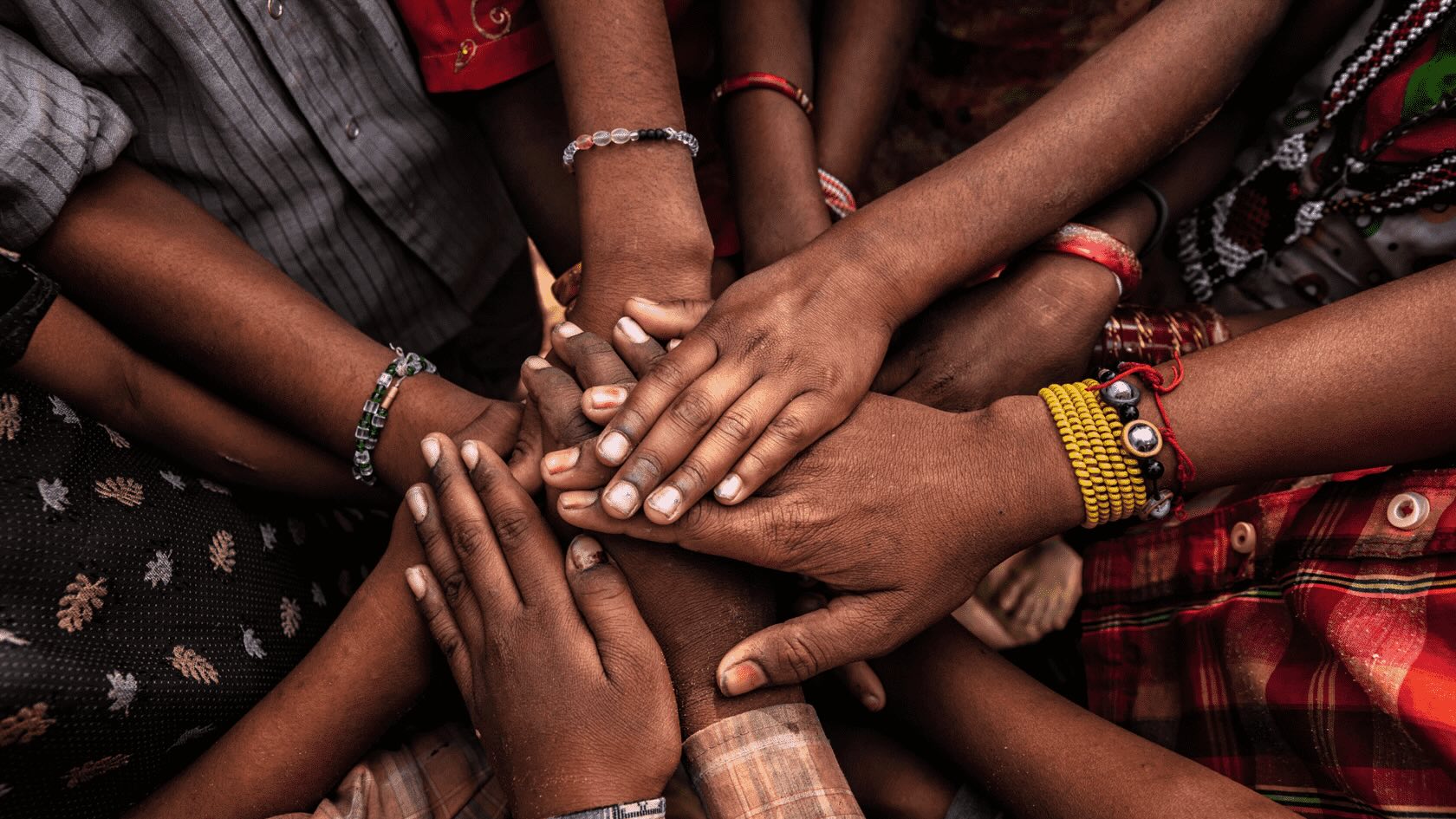
Effective development starts with listening. It’s not enough to design interventions from boardrooms or base decisions solely on high-level data. To make meaningful change across Africa’s diverse social landscapes, you need to understand what people believe, need, and experience; on the ground, in context, and in their own words. That’s the power of social research.
From health systems and education to livelihoods and gender inclusion, social research plays a central role in connecting institutions to real people. It offers the tools to understand complex realities, evaluate what’s working, and course-correct where necessary. For policymakers, NGOs, private sector actors and international funders, social research brings community voice into the centre of strategy, ensuring programmes don’t just reach people, but also resonate with them.
What Social Research Looks Like in Practice
At its core, social research is the practice of exploring how people live, behave, and relate to the structures around them – economically, politically, culturally and emotionally. It employs a mix of qualitative and quantitative methods, depending on the nature of inquiry.
In one context, it might involve household surveys across rural regions to understand access to clean water or attitudes toward vaccination. In another, it could mean running focus groups with young people in urban settlements to explore trust in local governance or social media’s influence on identity.
Social research can also include ethnographic studies, participatory action research, or rapid assessments, each designed to uncover not just what is happening, but why and how people are affected. Thematic areas are wide-ranging: public health, education, labour markets, social cohesion, migration, food systems, service delivery, and more.
What distinguishes strong social research is its grounding in local realities. This means working in local languages, adapting tools to cultural norms, and designing methodologies that build trust rather than extract information. When done well, it not only generates insight, but also builds relationships and brings to the fore lived experience that might otherwise go unspoken.
Why Social Research Is Essential in African Development
In a continent as demographically young, culturally diverse, and economically varied as Africa, assumptions can be costly. Development models that work in one province may fail in the next. Global frameworks often miss the nuance that exists at village, district or regional levels. Social research bridges this gap.
During the COVID-19 pandemic, for example, several African countries faced challenges with vaccine hesitancy – not due to lack of access alone, but due to mistrust rooted in historic inequalities, disinformation, and religious concerns. Social research in countries like South Africa, Senegal and Uganda helped identify the real concerns and adjust messaging and rollout strategies to be more locally relevant and effective.
Similarly, in conflict-affected zones such as northern Nigeria and eastern DRC, social research has been pivotal in helping humanitarian organisations map community needs, design protection strategies, and understand how displacement has altered social dynamics and gender roles. Without these insights, aid would have been less targeted, and potentially even harmful.
Social research has also shaped large-scale national policies. In Kenya, for instance, community-based education research informed the redesign of competency-based curricula. In Ethiopia, livelihood and youth aspiration studies have influenced rural employment strategies. These are examples of people-centred research driving better governance.
Insights from Across the Continent
In Zambia, a series of social perception studies around gender-based violence revealed deep-seated beliefs around masculinity and silence that were limiting the impact of formal intervention campaigns. As a result, advocacy strategies shifted to include community-led storytelling and male-focused workshops that encouraged open discussion.
In Sierra Leone, lessons from Ebola-era social research were instrumental during the early phases of the COVID-19 response. Researchers who had mapped trust in health institutions during the 2014–2016 outbreak were able to fast-track strategies that put local leaders, not just central authorities, at the forefront of public messaging.
Even in rapidly urbanising cities like Abidjan or Addis Ababa, social research is being used to assess how youth navigate unemployment, housing, and informal economies, offering critical insight into a generation whose expectations and frustrations will shape future stability and growth.
Bringing Research Back to the People
For development to be just, inclusive, and impactful, it must start and end with the people it’s meant to serve. Social research ensures that programmes are not designed in abstraction, but grounded in community realities—rooted in evidence, shaped by dialogue, and continuously refined.
Whether you’re designing a public health intervention, launching a social enterprise, evaluating policy impact, or seeking to understand the forces shaping social cohesion, social research provides the compass to navigate complexity with clarity.
To learn more about how IOA’s Social Research and Impact Studies services can support your work, explore the full offering below.